


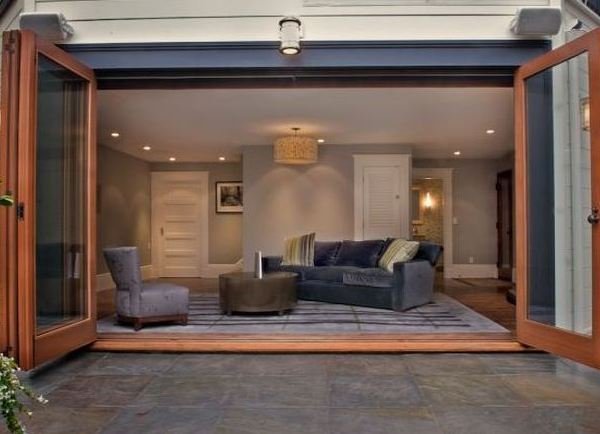
Generally, garage conversions are the quickest and most affordable ways to add living space to your house. The walls, foundation, and roof are already in place, and if you’re lucky, the wiring is sufficient. Additionally, if your garage is attached to your home, an entry already exists.
However, to convert your garage into a livable space, careful planning is essential. This begins with a careful assessment of your garage and its features to determine the problems and promises it holds.
As you consider these possibilities, here are seven elements to consider.
1. Garage door
Many homeowners don’t know what to do with their garage door space once the doors are removed. Normally, your garage conversion contractor fills the space so that it blends with the rest of the house. If your budget isn’t restricted, you can add a new wall with a large window to let in more natural light.
Alternatively, if you’re trying to save, you can install a patio door, which also lets in more light, making your garage appear larger.
2. Floor
Most garage floors are made with uninsulated concrete slab, and they’re usually sloped toward the garage door. Your garage floor can also be several inches below the floor level in your home. In these cases, you’ll want to:
• Fill the bottom of the garage door opening to keep water out
• Level the floor
3. Heating and cooling
To create a functional, livable space in your garage, you’ll have to consider heating and cooling. The last thing you want is freezing during winter or sweating throughout summer while in your garage. If your garage is attached to your home, you can extend your existing HVAC system into the new space.
If not, install independent systems such as heated baseboards or room air conditioners. Don’t forget to insulate the space to maintain your desired temperature all year round.
4. Wiring
If you plan to convert your garage into a kitchen, bedroom, or living area, you should consider adding a new 20-amp circuit. Garages have a single lighting circuit, which isn’t enough with increased electrical usage.
For a detached garage, you can run additional wiring from your main house through an underground electrical circuit.