



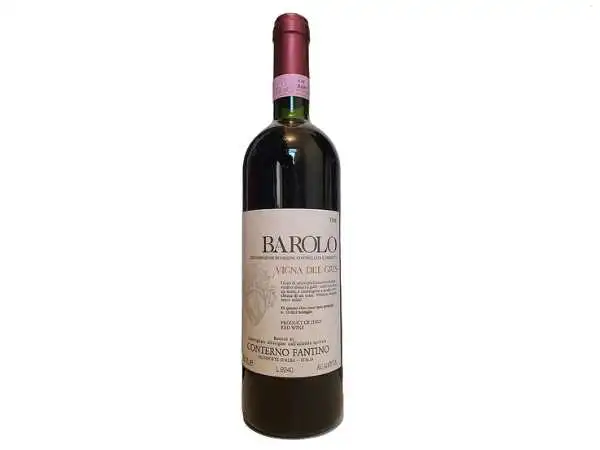
People searching for Barolo wineries are rarely casual wine drinkers. Barolo doesn’t attract curiosity the way a trendy label does. It attracts intent. People want depth. History. Wines that demand patience and give something back years later. Visiting Barolo wineries isn’t about tasting ten wines quickly and moving on. It’s about slowing down and letting place, soil, and time explain themselves.
I’ve noticed that first-time visitors often arrive with big expectations and leave with quieter respect. Barolo doesn’t shout. It doesn’t charm instantly. It waits. The wineries reflect that same personality. Some feel almost austere at first. Others warm up slowly as stories unfold. All of them revolve around Nebbiolo and the idea that great wine is built, not rushed.
This guide walks through the Barolo region, explains what makes these wineries special, and highlights the best Barolo wineries to visit, without turning the experience into a checklist.
also read : – Wabi and Sabi: Meaning, Style, Fashion, Symbols, and How People Live It Today
What Makes Barolo Different From Other Wine Regions
Barolo comes from a small area in Piedmont, northern Italy, built around a single grape. Nebbiolo. That limitation is the point. The grape reacts strongly to soil, slope, and exposure. Move a vineyard a few hundred meters and the wine changes personality.
Barolo wines are structured, tannic, and long-lived. Young bottles can feel closed. Older ones open slowly and reward patience. That mindset shapes how wineries operate.
This region doesn’t chase trends. It protects identity.
Understanding the Barolo Zone Before Visiting Wineries
Barolo isn’t a single town. It’s a collection of villages, each contributing something distinct. Knowing this helps when choosing wineries.
Key villages include:
- Barolo
- La Morra
- Monforte d’Alba
- Serralunga d’Alba
- Castiglione Falletto
Each village produces Barolo with a slightly different voice. Some lean floral. Some feel darker and firmer. Visiting across villages reveals how much place matters.
also read : – Who Invented Parachute Balloons, How the Idea Took Shape, and Why It Changed Flight Forever
Barolo Wineries List: The Names That Define the Region
A proper Barolo wineries list shouldn’t be endless. Quality matters more than quantity here. Below are producers that consistently show what Barolo stands for, whether through tradition, precision, or thoughtful evolution.
Marchesi di Barolo
Marchesi di Barolo sits in the village of Barolo itself. This estate carries historic weight. It helped establish Barolo as a serious wine long before international attention arrived.
Visiting here feels formal but grounded. The wines lean classic. Structure comes first. Aging potential remains central.
This is a good starting point for understanding traditional Barolo.
Vietti
Vietti bridges tradition and refinement. The wines show clarity without losing depth.
Vietti stands out for its single-vineyard bottlings. Each one tells a clear story about soil and exposure. Tastings here feel educational rather than performative.
Many visitors leave understanding Nebbiolo better than when they arrived.
Giacomo Conterno
Giacomo Conterno represents restraint and discipline.
These wines are built for the long term. Young bottles feel closed. Time unlocks them. The winery itself reflects that seriousness. Nothing flashy. Everything intentional.
This is a destination for people who appreciate patience.
Pio Cesare
Pio Cesare blends tradition with accessibility.
Their Barolo bottlings feel balanced and expressive even when young. That approach makes them appealing to visitors who want to enjoy Barolo without waiting decades.
The winery experience feels welcoming without sacrificing depth.
Bartolo Mascarello
Bartolo Mascarello represents old-school philosophy.
This estate famously resisted single-vineyard labeling, preferring blended expressions that reflect the broader region. The wines feel alive and unpredictable.
Visiting here feels like stepping into a philosophy, not just a cellar.
Luciano Sandrone
Luciano Sandrone helped shape modern Barolo without abandoning Nebbiolo’s core identity.
The wines show polish and precision. Fruit feels clear. Structure remains firm. The winery itself reflects careful attention to detail.
This stop often appeals to visitors transitioning from New World wines.
Elio Altare
Elio Altare challenged tradition in the 1980s and changed the region’s conversation.
Shorter macerations and cleaner styles marked his early work. Today, the wines feel integrated rather than radical.
Visiting Altare offers insight into how Barolo evolved without losing itself.
also read : – how to call lord shiva for help
Best Barolo Wineries to Visit for First-Time Travelers
Not every great producer offers the same visitor experience. Some focus on farming and aging rather than tourism. For first-time visitors, certain wineries strike the right balance.
Strong first-visit choices include:
- Vietti for clarity
- Pio Cesare for balance
- Marchesi di Barolo for history
These visits help orient you before diving deeper.
Smaller Barolo Wineries Worth Seeking Out
Beyond famous names, smaller estates often provide intimate experiences.
Examples include:
- Oddero
- Paolo Scavino
- Massolino
These producers combine family history with careful vineyard work. Tastings often happen with someone directly involved in production.
Those conversations stay with you longer than the wine itself.
How Barolo Wineries Approach Tasting
Barolo tastings move slower than in many regions.
Expect:
- Fewer wines per visit
- More explanation
- Less pressure to buy
Many producers prefer appointments. Walk-ins aren’t always welcome. Planning matters.
The slower pace allows wines to open and stories to surface.
also read : – WSP Mean, What It Signals in Messages, and How the Meaning Changes by Context
Visiting Barolo by Village: What Changes
Barolo Village
Wineries here often feel historic and formal. Wines lean balanced and aromatic.
La Morra
La Morra tends to produce softer, more perfumed Barolo. Wineries here often feel approachable and scenic.
Serralunga d’Alba
Serralunga wines feel firmer and more structured. Tastings can feel intense but rewarding.
Monforte d’Alba
Monforte combines power and elegance. Wineries here often focus on long aging.
Moving between villages makes differences obvious.
When to Visit Barolo Wineries
Timing shapes experience.
Spring brings quiet vineyards and cooler tastings. Summer brings energy and busier schedules. Autumn brings harvest tension and limited availability. Winter feels calm but introspective.
September and October offer beauty but require advance planning.
Barolo Wineries and Food Culture
Barolo exists alongside food, not apart from it.
Local dishes include:
- Tajarin pasta
- Braised meats
- Truffles in season
Many wineries recommend pairing rather than hosting meals themselves. Restaurants nearby complete the experience.
Wine tastes different after eating well.
How Long to Spend in Barolo
Rushing undermines the region.
A good pace includes:
- Two to three wineries per day
- Time between visits
- Evening reflection
Trying to see everything leads to fatigue. Barolo rewards focus.
Buying Wine at Barolo Wineries
Prices vary. Some bottles cost modestly more than retail. Others reflect rarity.
Shipping options exist, though logistics vary by country. Ask early. Plan space if traveling.
Buying direct adds context to the bottle later.
also read : – How Old Is the USA? A Simple Breakdown of America’s Real Age
Common Mistakes Visitors Make
A few patterns repeat:
- Overbooking tastings
- Ignoring village differences
- Expecting immediate softness in young Barolo
Understanding Barolo as a long-term wine improves enjoyment.
Barolo Versus Barbaresco: A Quick Note
Visitors often compare Barolo with nearby Barbaresco.
Barbaresco tends to feel earlier drinking. Barolo demands patience. Both matter. They complement rather than compete.
If time allows, visiting both deepens understanding.
FAQs
What are the best Barolo wineries to visit?
Vietti, Pio Cesare, Marchesi di Barolo, Luciano Sandrone, and Massolino are strong choices for visitors.
Do I need appointments to visit Barolo wineries?
Yes. Most wineries require reservations, especially smaller producers.
How many wineries should I visit in one day?
Two or three allows enough time to taste, talk, and absorb without fatigue.
Is Barolo only for experienced wine drinkers?
No, but patience helps. Understanding structure and aging potential improves appreciation.
Can I buy wine directly from Barolo wineries?
Yes. Many sell on-site and offer shipping options.
Final Words
Barolo wineries don’t chase attention. They earn respect slowly, bottle by bottle. Visiting them changes how you think about wine, time, and restraint. The region doesn’t bend to visitors. It invites them to adapt.
If you approach Barolo with curiosity and patience, the wineries meet you halfway. And long after the trip ends, the bottles you open later carry more than flavor. They carry memory.