



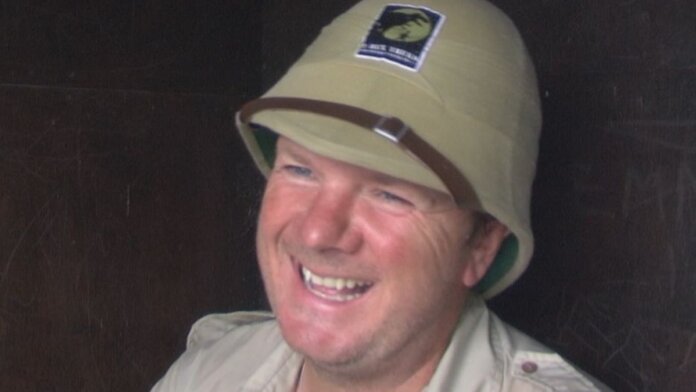
Lloyd Scott MBE transformed personal adversity into one of the most audacious endurance fundraising legacies in modern British sporting history. Surviving a terminal leukaemia diagnosis in the late 1980s, the former professional football goalkeeper and firefighter spent four decades pushing the human body beyond recognized physical limits. From taking five agonizing days to finish the London Marathon inside a vintage 130-pound deep-sea diving suit to walking an entire 26-mile marathon along the pitch-black floor of Loch Ness, Scott captured global fascination while raising over £5 million for cancer and children’s charities.
Following his passing in November 2026 at age 65, tributes poured in honoring a man whose stubborn resilience redefined extreme philanthropy. Simultaneously, public interest has sparked curiosity regarding his family connections and frequent online confusion with British tennis executive Scott Lloyd, the Chief Executive of the Lawn Tennis Association (LTA). Below is the definitive, fully clarified biography of Lloyd Scott MBE, his historic world records, personal life, and the distinction between these two prominent British figures.
Quick Facts: Lloyd Scott MBE vs. Scott Lloyd
| Attribute | Lloyd Scott MBE (Charity Legend) | Scott Lloyd (Tennis Executive) |
|---|---|---|
| Full Name | Lloyd Scott MBE | Scott Lloyd |
| Born | 13 October 1961 (Stepney, London, England) | 1970s (Essex, England) |
| Passing | November 2026 (Aged 65) | Living / Active Chief Executive |
| Primary Domain | Professional Football, Firefighting, Extreme Charity Endurance | Tennis Administration, Sports Business Executive |
| Iconic Achievement | Underwater Loch Ness Marathon & Deep-Sea Suit Marathons | Chief Executive of Lawn Tennis Association (LTA) since 2018 |
| Family / Wife | Former wife Carol (separated 2006); three children | Son of tennis titan David Lloyd; maintains private family life |
Early Life, Professional Football, and the Leukaemia Crisis
Born in Stepney in London’s East End on 13 October 1961, Lloyd Scott was gifted with natural athletic reflexes. He pursued football from early youth, playing as a goalkeeper for professional English clubs including Leyton Orient, Watford, and Blackpool. When his full-time professional football career drew to a close, Scott transitioned to public service, becoming an active firefighter with the London Fire Brigade.
In 1987, at just 26 years old, Scott faced sudden tragedy. While serving as an operational firefighter, doctors diagnosed him with chronic myeloid leukaemia. Specialists delivered a crushing prognosis: without an exact bone-marrow match, he had barely two to three years left to live. Fortunately, an international search conducted through the Anthony Nolan Trust identified a life-saving donor in the United States. Following an intensive bone-marrow transplant and grueling chemotherapy, Scott made a full recovery. Determined to pay his survival forward, he pledged to dedicate the remainder of his life to raising money and awareness for leukaemia research and sick children.
The Deep-Sea Diving Suit & Marathon Legend
Scott realized that conventional marathon running was rarely enough to generate national charity headlines. To maximize fundraising visibility, he chose theatrical and physically punishing methods.
His defining breakthrough came during the 2002 London Marathon. Scott elected to complete the full 26.2-mile course encased inside a genuine 1940s Siebe Gorman deep-sea diving suit. Weighing 130 pounds (approximately 60 kg) with heavy lead boots and a copper helmet, the outfit allowed Scott to move at barely 0.2 miles per hour. While world-class elites crossed the line in just over two hours, Scott marched steadily for 5 days, 8 hours, 29 minutes, and 46 seconds, captivating millions on live television and earning a place in the Guinness Book of Records for the slowest marathon completion in history.
He subsequently completed marathons across the globe, including the New York City Marathon and the Edinburgh Marathon, raising substantial contributions for organizations such as Leukaemia & Myeloma Research UK and the Anthony Nolan Trust.
The Historic Loch Ness Underwater Walk (2003)
In the autumn of 2003, Scott conceived his most perilous undertaking: the first underwater marathon in history. Having mastered the vintage deep-sea suit on paved city streets, he decided to walk 26 miles along the treacherous, icy bed of Scotland’s Loch Ness.
Twelve Days of Pitch Darkness and Frigid Waters
Commencing on 28 September 2003 at Fort Augustus, Scott was submerged beneath Loch Ness, supported by surface safety divers, decompression teams, and umbilical oxygen lines. Conditions beneath the surface proved treacherous:
- Zero Visibility: Thick peat silt and swirling mud created complete sensory deprivation, requiring Scott to walk guided primarily by compass coordinates and communication cables.
- Lethal Underwater Terrain: During one stage, Scott fell 15 feet down a hidden underwater rock ledge, dislocating his shoulder before regaining his footing.
- Freezing Temperatures: Water temperatures hovered near freezing, and carbon dioxide buildup inside the antique helmet posed continuous asphyxiation threats.
On 9 October 2003, after 12 days beneath the surface, Scott stepped ashore at Lochend near Inverness to global applause, having successfully walked the full 26-mile marathon underwater. When reporters asked if he had encountered the mythical Loch Ness Monster, he famously joked that the murky waters were terrifying enough without Nessie making an appearance.
Other Extreme Feats: From Mt. Kilimanjaro to the South Pole
Scott refused to limit his imagination to marathons. Over the next two decades, his philanthropic record included daring expeditions around the world:
- Climbing Mount Kilimanjaro in a Diving Suit: In 2006, he ascended the 19,341-foot African peak wearing his iconic vintage deep-sea armor.
- The Three Peaks Challenge: Scaling Britain’s three highest summits (Ben Nevis, Scafell Pike, and Mount Snowdon) while hauling heavy costume weights.
- Penny-Farthing Australia Crossing: Cycling thousands of miles across the scorching Australian Outback on an antique high-wheeler bicycle.
- Antarctic South Pole Trek: Hauling sleds across sub-zero ice sheets to benefit children afflicted by life-threatening illnesses.
In recognition of his extraordinary contributions, Queen Elizabeth II appointed Lloyd Scott a Member of the Most Excellent Order of the British Empire (MBE) in 2005.
Personal Life: Wife, Family, and Separation
Throughout his most demanding early fundraising years, Lloyd Scott was supported by his then-wife, Carol, and their three children. Carol was frequently photographed greeting him at grueling finish lines alongside family and volunteers.
However, the extreme physical demands and year-round travel required by Scott’s intensive charity schedule inevitably took a toll on personal relationships. In 2006, after 20 years of marriage, Scott confirmed that he and Carol had separated. Despite the split, both remained devoted to their children and Scott maintained gratitude for the decades of support his family had provided throughout his cancer battle and early athletic endeavors.
Clarifying the Confusion: Scott Lloyd and British Tennis
A frequent point of confusion on search engines stems from inverted names: Lloyd Scott vs. Scott Lloyd. While Lloyd Scott was the celebrated endurance runner and charity hero, Scott Lloyd is one of the most powerful executives in world tennis.
Who is Scott Lloyd?
Scott Lloyd is the Chief Executive of the Lawn Tennis Association (LTA), the national governing body of tennis in Great Britain. Appointed to the executive leadership in January 2018, Scott Lloyd comes from tennis royalty:
- Father: Former British tennis star and business entrepreneur David Lloyd (founder of the David Lloyd Leisure club chain).
- Uncles: Former British Davis Cup captain John Lloyd and former tennis champion Tony Lloyd.
- Executive Career: Prior to steering the LTA, Scott Lloyd served as CEO of David Lloyd Leisure and founded Next Generation Clubs.
- Scott Lloyd’s Wife and Family Life: Unlike his public-facing corporate roles across British tennis tournaments and Wimbledon initiatives, Scott Lloyd maintains strict privacy surrounding his wife and immediate home life.
While internet queries regularly conflate the two due to surname inversion, Lloyd Scott was the record-breaking diver and marathoner, whereas Scott Lloyd is the administrator directing elite and grassroots British tennis.
Passing and Lasting Legacy
In November 2026, Lloyd Scott MBE passed away at the age of 65. His death marked the close of an irreplaceable chapter in British charity history. From the depths of cancer despair to the gloomy abyss of Loch Ness, Scott embodied an indomitable philosophy: that life after terminal illness is a gift to be spent in the service of others.
Today, Lloyd Scott’s antique diving suit rests as a symbol of human endurance, reminding athletes, survivors, and benefactors that courage is not measured by the speed of the finish line, but by the will to keep walking forward.
Frequently Asked Questions (FAQ)
Who was Lloyd Scott?
Lloyd Scott MBE was a former English professional football goalkeeper, firefighter, and renowned extreme endurance fundraiser who completed marathons in heavy antique deep-sea diving gear to raise millions for cancer charities.
When did Lloyd Scott die?
Lloyd Scott passed away in November 2026 at the age of 65, leaving behind a four-decade legacy of high-profile philanthropic achievements.
What did Lloyd Scott accomplish at Loch Ness?
In 2003, Lloyd Scott became the first person in history to walk an entire 26-mile marathon underwater, taking 12 days along the freezing, silt-filled bed of Loch Ness wearing an 80 kg deep-sea diving suit.
Who was Lloyd Scott’s wife?
Lloyd Scott was married to his wife Carol for two decades, raising three children together before announcing their separation in 2006.
Is Lloyd Scott related to tennis executive Scott Lloyd?
No. Lloyd Scott was the charity marathoner and former firefighter. Scott Lloyd is the Chief Executive of Great Britain’s Lawn Tennis Association (LTA) and son of former tennis player David Lloyd. The two are distinct individuals whose names are frequently transposed in search queries.