



Anyone who has ever been on an off-road adventure will tell you sticky situations can happen in a split second. When it comes to stocking up on gear for your next off-road adventure, a winch is a definite must on the list.
No matter how experienced you might be at off-roading, it’s almost a certainty that you or a friend will get stuck at some point. Adding an electric winch to your gear will ensure you’re always prepared.
What Are Electric Winches?
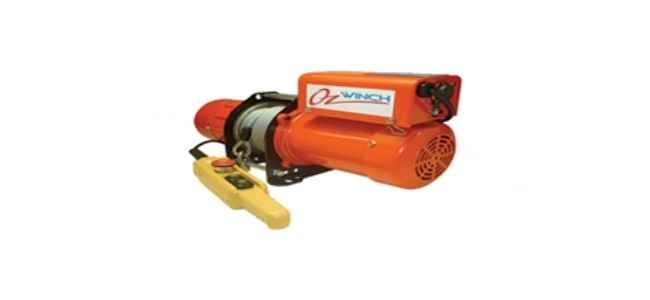
Electric winches have many uses. Simply put, electric winches are motorised devices used primarily for lifting, positioning, or pulling heavy loads. Typically, these types of winches are attached to a vehicle’s front or rear bumper which is then powered by the direct current produced by the vehicle’s electrical system.
Main Uses of Electric Winches
Since electric winches are used to move heavy loads and some of their more popular uses include the following:
- Tow automobiles
- Move heavy parts around in vehicle repair shops
- Move heavy equipment around on construction sites
- Pull stuck vehicles out of areas that are difficult to manoeuvre in
- Remove trees or large debris blocking roads
- Drag boats out of the water
Common Safety Tips from The Experts
Many industries prefer using electrical winches over their manual counterparts because they’re easier to use and require less physical manpower. While it makes hoisting objects seem easy, using an electric winch requires some skill and vigilant attention to safety procedures.
If you’re going to be using an electric winch for the first time, you’ll have to brush up on some safety tips. Read on to familiarise yourself with some tips on using this machine safely and effectively.
- Training: Adequate training and some practice sessions will ensure you perfect the using technique. A few practice runs will also reduce the risk of injury and damage to property going forward.
- Read through the user manual: Keep the user manual handy and ensure you read through it for tips and guidelines to use the equipment effectively.
- Leather gloves: Experts advise investing in a strong pair of heavy leather gloves. Not only will this prevent injury, but it will also ensure your hands don’t slip.
- Load capacity: Ensure the winch you’re going to use can handle the anticipated load. If you’re adding an electric winch to your land cruiser or boat, you will need to make sure the weight capacity is accurate.
- Right winch for the job: Electrical winches aren’t all the same. Speak to your winch contractor to ensure that the winch mechanism and wires are correct for the anticipated use.
- No sudden shock loads: Placing sudden shock and pressure on your winch could cause damage to the machine or injury to the operator.
- Place weight correctly: Always place the weight in the centre of the hook. Don’t place any weight on the tip or the latch portion of the unit.
- Load stability: If you’re using the winch to drag heavy items like vehicles, check the stability of the load before you begin the winching process. Not doing this may cause the winch mechanism to get damaged if the vehicle moves to the side.
- Close to load: Don’t set the machine up too far from the load. Setting up close to the load allows the machine to function correctly without more strain than is necessary.
- Certified accessories: If you need to add additional accessories, ensure the components are certified by the manufacturer of the winch mechanism. This will ensure that cheaper or weaker parts don’t cause damage, injury or mechanism failure.
- Double-check: Always double-check the bolts, parts and other accessories are connected tightly and correctly. Ensure the cable has no frays or damages.
- Use a friend: Wherever possible, don’t use the winch by yourself. Have a friend or colleague supervise and direct the process. An objective party that oversees the process will ensure that errors or dangers are detected before they escalate.
- Don’t detach the clutch: Never detach the clutch while the winch is moving a load. This will result in a serious accident. Ensure the clutch remains properly attached while the winch is living or moving a load.
- Don’t rush: No matter how urgent the job may seem, don’t rush the process. This might result in steps being overlooked or safety aspects being ignored.
- Prolong the pulls: Electric winches are primarily designed for intermittent use. This means if you’re busy with a serious load or recovery, you should take breaks in between the pulls allowing your motor to cool down.
- Assess the situation: If you’re going to assist a stuck driver, ensure you assess the situation beforehand. Preparation is key to your safety and success.
Tip: other gear you might find handy include tree savers, snatch blocks, d-rings, and tow straps.
Conclusion
Electric winches are especially useful and adding one to your gear is a definite must if you do a lot of off-roading. Study the safety tips provided. Teaching yourself the ins and outs of using the mechanism will ensure your safety and the success of your lift!