



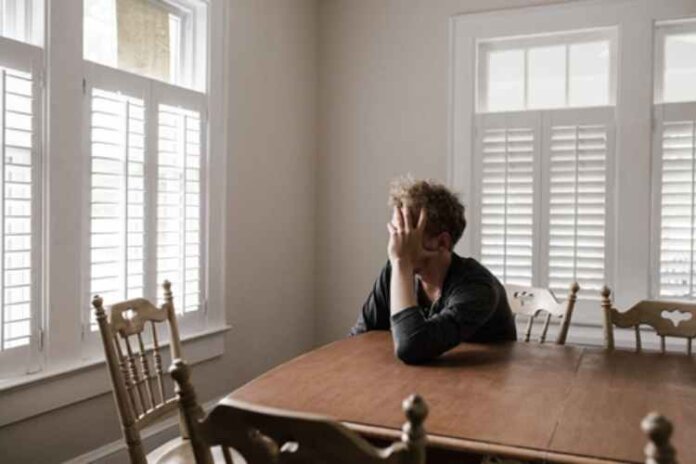
It’s no secret that most people feel their best during the summer months. Even if you’re someone who loves everything about winter, you likely still notice how much the summer sunshine and warm weather can elevate your mood.
Feeling sadder during the winter isn’t always just a case of the winter blues. There is a real reason people feel so much better when the weather is warm and the sun is shining. Seasonal affective disorder (SAD) is a type of depression that relates to seasonal weather changes.
As many know, depression is not a condition to be ignored. Even if it’s only seasonal, SAD still can deeply affect those experiencing it. And many may not even realize they have it.
There are many things depression can affect beyond just someone’s quality of life Though many may not think depression and life insurance are connected, there is actually a correlation. Someone who is suffering from depression may not be eligible for life insurance due to their high risk.
Understanding SAD, its symptoms, and what to do if you are experiencing them is the best way to ensure you are taking care of yourself. Let’s discuss what exactly SAD is and what you can do if you are experiencing it.
Symptoms and Facts About Seasonal Affective Disorder
Many people may believe it’s normal to feel mental fatigue during the winter months. It seems almost natural when you think about it. But someone suffering from SAD will have much more serious symptoms than just feeling a little down in the dumps.
What causes SAD?
Most people experience seasonal affective disorder in the winter months due to extremely short days and a lack of sunshine. Researchers believe these short days disturb the normal circadian rhythm of the body. Your body will naturally produce melatonin when it’s dark, meaning those extremely long winter nights have your body pumping out a lot of extra melatonin.
All that extra melatonin will have you feeling extremely lethargic and sleepy once the sun goes down. And when the sun sets at 5:00 p.m., you’re spending a lot more time feeling tired rather than motivated and energized.
A big contributor to those experiencing SAD is the workday. Because the days are so short in the winter, many people will enter their workplace before the sun has risen and leave when it has set. This means little to no time in direct sunlight, which can cause serotonin levels to drop drastically.
What are the symptoms of SAD?
Someone experiencing seasonal affective disorder may have a variety of symptoms. The most common are:
- Difficulty concentrating
- Excessive sleeping
- Fatigue
- Feelings of depression
- Feelings of worthlessness
- Lack of appetite
- Loss of energy
- Loss of interest in things once enjoyed
- Suicidal thoughts
- Weight loss
Though these are certainly not the only possible symptoms of SAD, they are the most commonly seen. If you believe you are experiencing these symptoms and may be suffering from SAD, it’s important to seek help. Options like counseling can allow you to speak to someone about managing your depression and get you back on track.
Can seasonal affective disorder be treated?
If you believe you are experiencing SAD, the first step will be to confirm your symptoms. You can do this by visiting a licensed therapist. You can do this either at their office or in a private in-home therapy session. You will be asked about your symptoms and the time of year you experience them.
You may want to make a mental note of how many years you believe you have been experiencing seasonal affective disorder. This can also help your therapist make a diagnosis. If they decide you do, in fact, have SAD, there are a few options for treatment.
Light Therapy for SAD
Light therapy is very common when treating SAD. It is also considered the best and most effective treatment option.
Patients will be exposed to very bright light, much stronger than an average home light, meant to mimic outdoor light. The treatment typically involves a light therapy box that the patient will keep next to them as they sit relaxing or working. Most patients will see results from light therapy after just one week.
Medication for SAD
Some people may take the medication route to help treat their seasonal affective disorder. The idea behind the treatment is to stop symptoms before they begin. Patients will start their medication in the fall and continue to take them through spring.
Through placebo testing, medication has scored relatively well for those suffering from SAD, which means good news for those experiencing symptoms. While the medication is not a guarantee, the improvements seen during testing give a lot of hope.
If you are taking medication to treat SAD, you may be interested in learning more about the correlation between antidepressants and life insurance rates.
Counseling for SAD
Some people may feel most comfortable going and seeing a counselor or therapist. They may find it helpful to talk about their feelings and current state. Speaking to a professional can help patients work their views of life and what they are experiencing.
The added bonus of speaking with a professional is the ability to discuss other issues you may be dealing with. Counselors and therapists deal with a variety of issues, and there are a number of options available such as anxiety counseling to help you work through any other problems you may be having along with your seasonal affective disorder.
Understanding and Working Through SAD
Any form of depression is difficult for those experiencing it, and SAD is no different. Although some may only see it as the winter blues, SAD is a real and serious condition that can be hard to manage and work through. It isn’t something to be ignored or minimized.
Seasonal affective disorder can take its toll on not only those suffering from it but their relationships as well. Options like marriage counseling can help couples work through their struggles and come out stronger.
No matter what kind of treatment those experiencing SAD choose to take, be it an option on this list or another that works for them, the important thing is to understand the condition and make strides in the right direction. Understanding SAD and how to handle the symptoms can make all the difference for those experiencing it.