



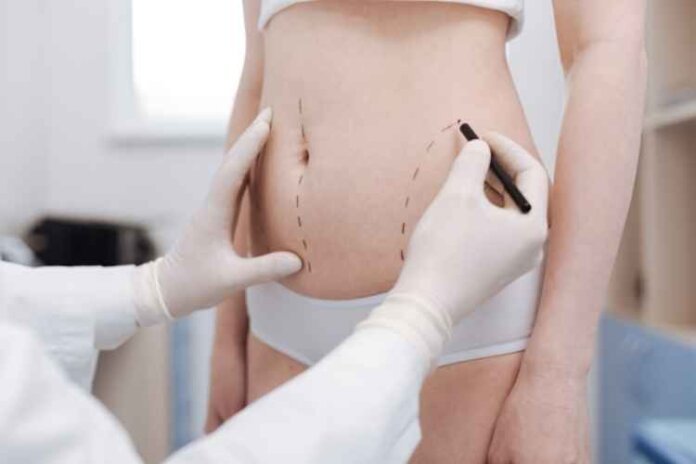
In 2018, liposuction was the second-most popular type of plastic surgery with 258,558 procedures.
While liposuction is successful, you could have fluid buildup after the surgery. If you do, you may want to know how to get rid of fluid after liposuction.
Are you interested in reducing the fluid after liposuction? Keep reading to discover the perfect liposuction guide.
What Causes Fluid Buildup?
After your surgery, you might notice that you have some watery areas around the area where the surgery occurred. You might panic, but this is actually normal and natural.
One of the reasons that this happens is that it could be liquids in your lymph nodes. This can cause swelling and fluid buildup, and it’s very normal after an operation.
While some people may not want to deal with this during liposuction, there are actually many benefits to getting the treatment. You can even read this for more information.
How Long Does It Last?
When you start noticing swelling, you’ll need to wear special clothing to keep the area tight for about one to two weeks. The area will likely be swollen and bruised for one to two days.
You can release fluids from the sutured area for a few days after your surgery. To help prevent an infection during this, your doctor might prescribe antibiotics as well.
Many people can improve the healing process with these, and then in just a few weeks, you can return to your normal activities when you feel comfortable.
Most people can go to work in just a few days, but if the treatment was in a large area, recovery will take longer.
How to Get Rid of Fluid After Liposuction
When getting rid of fluid after liposuction, there are a few strategies that you can follow. It’s important to get rid of fluid to reduce swelling and really see the effects of your procedure.
Wear Compression
Wearing a compression garment after cosmetic surgery is a great way to help reduce any swelling. For example, if you had a contouring surgery on your waist or abdomen, you might want to get a girdle that has shoulder straps.
Since the inflammation is often caused by the lymphatic fluids, the garments will create pressure on the surgical area. This means that the body will have to absorb those fluids, and they won’t build up under your skin and cause swelling as they try to get out.
However, make sure you wear a garment that was designed for this type of surgery. Wearing something like leggings or Spanx won’t help. They don’t provide enough compression that you’ll need after liposuction treatment.
Patients should wear these garments for about four to six weeks, depending on how bad the swelling is. Sometimes wearing the garment for longer will help to reduce some of the swelling.
Keep Area Cool
You’ll also want to ensure that the area around the incision is kept cool. If you take a hot shower, sit in the sun, or go to a steam room, this can cause you to get overheated and swell more.
Cold is great at reducing inflammation, and you can use a cold compress or ice pack on the swollen parts of your body.
However, talk with your surgeon to make sure that you don’t use the cold therapy too much. You should also always wrap the compress in a towel and never apply it directly onto your skin.
Stay Hydrated
Make sure that you drink enough water as well. It might sound counterintuitive, but it’ll actually help reduce the swelling.
You should be drinking at least half of your body weight in ounces of water each day. That means that if you weigh 120 pounds, you should be drinking at least 60 fluid ounces of water each day.
While you’re drinking water, make sure that you don’t drink anything that will dehydrate you. This includes drinks like tea or coffee.
However, you can use soups and broths to count towards your daily intake.
Get a Massage
You may also want to try getting a lymphatic drainage massage. When you have a masseuse who knows how to drain fluid from your lymphatic system, you’ll have a lot of reduced swelling.
However, make sure that you get a massage from an actual licensed massage therapist rather than from a spouse or friend. The sessions might be costly, but if you don’t have a professional do it, you could end up causing more damage.
Go on Walks
Lastly, make sure that you go on walks when you feel well enough to. Rest is important after the surgery, and you’ll need to relax at least for the first three days.
If you exercise too soon, you’ll make the swelling worse. After those days, you should try walking around the house indoors. Walking will help prevent blood clots and also lower your risk of swelling.
When you feel able, you should start walking to stimulate the lymphatic system. When this happens, you won’t have the build-up of fluids.
However, before you do any of this, talk with your doctor to make sure that you are well enough to be up and walking around without causing any more damage to yourself.
Discover More About How to Get Rid of Fluid After Liposuction
These are only a few tips on how to get rid of fluid after liposuction, but there are many more strategies to follow. When in doubt, ask your doctor or surgeon about any concerns that you might have.
We know that going through any type of surgery can be stressful on your body, but we’re here to help guide you through the recovery process.
If you are interested in more topics just like this one, explore our website to find even more great topics!