


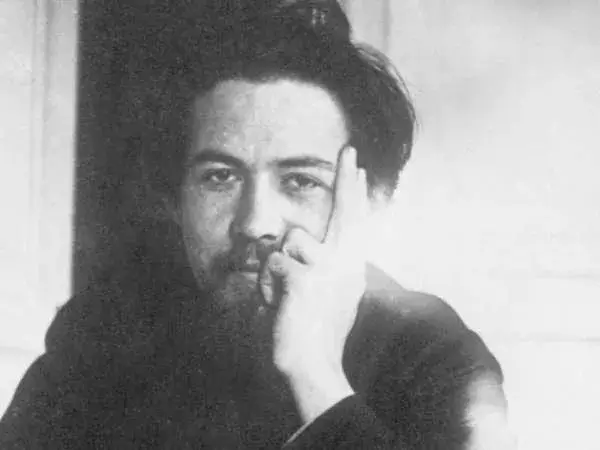
Anton Chekhov is remembered as one of the greatest short-story writers and dramatists in history. His plays reshaped modern drama. His stories changed how people understood ordinary life. Yet behind the literary fame sits a fact many readers only learn later: Anton Chekhov was a doctor by profession.
That detail is not a footnote. It explains almost everything about his writing.
Chekhov didn’t observe life from cafés or salons alone. He saw people at their weakest. Sick. Poor. Afraid. Dying. He listened more than he spoke. He treated bodies during the day and studied souls at night. When he once said, “Medicine is my lawful wife, and literature is my mistress,” he wasn’t joking.
This blog explores Anton Chekhov as a doctor, how medicine shaped his stories and plays, what A Doctor’s Visit reveals about his thinking, why people called him “the good doctor,” and how his medical life followed him until his death.
also read : – How David Lynch Became a Star of Cinema: Films, Television, and the Strange Path That Changed Movies Forever
Anton Chekhov Was He a Doctor? The Simple Answer
Yes. Anton Chekhov was a doctor, trained and licensed.
He studied medicine at Moscow University and graduated in 1884. He practiced medicine for much of his adult life, even after becoming famous as a writer. He treated peasants, factory workers, prisoners, and villagers, often without charging them.
Chekhov never stopped identifying himself as a physician. Even when editors praised his stories, he signed letters as “Doctor Chekhov.”
That dual identity shaped his entire worldview.
Why Chekhov Chose Medicine in the First Place
Chekhov came from a poor family. His father struggled financially, and Chekhov began writing early simply to earn money. Medicine offered stability and purpose.
But it wasn’t just practical.
Medicine gave Chekhov something literature alone could not: direct access to real human suffering. He saw illness without romance. He saw fear without drama. That realism later defined his writing style.
While other writers imagined pain, Chekhov touched it.
Anton Chekhov Was a Doctor by Profession, Not by Image
Chekhov didn’t play the role of a heroic doctor. He didn’t write sentimental tales about saving lives. His view of medicine was grounded and honest.
Doctors failed. Patients died. Treatments helped sometimes and failed often. He accepted that without bitterness.
That calm acceptance appears everywhere in his fiction. Characters suffer without grand meaning. Life continues anyway.
This perspective came directly from medical practice.
also read : – Dean Cain, From Television Fame to Public Life, and How His Career and Image Changed Over Time
Anton Chekhov A Doctor’s Visit: A Story Rooted in Medicine
One of the clearest examples of Chekhov’s medical thinking appears in A Doctor’s Visit.
The story follows a young doctor visiting a factory owner’s daughter. On the surface, the plot seems simple. Beneath it, Chekhov examines class, isolation, emotional illness, and the limits of professional authority.
The doctor realizes that what his patient needs cannot be fixed with pills or diagnosis. Her suffering is social, emotional, and structural.
That insight reflects Chekhov’s own experience as a physician. He knew medicine often treated symptoms, not causes.
What Makes A Doctor’s Visit Different
The doctor in the story is observant, thoughtful, and restrained. He does not dominate the scene. He listens. He notices silences. He understands what he cannot cure.
Chekhov refuses to give the story a dramatic solution. There is no sudden recovery. No moral victory. Just awareness.
That restraint reflects how real doctors think. Cure is not always possible. Understanding sometimes is.
Anton Chekhov The Good Doctor: Reputation Beyond Literature
People in Chekhov’s lifetime didn’t call him “the good doctor” because he was famous. They called him that because he showed up.
During cholera outbreaks, he treated patients daily. In rural areas, he traveled long distances to see the sick. He often paid for medicine himself.
He once treated hundreds of peasants in a single season while continuing to write at night.
His medical work was not symbolic. It was exhausting, practical, and deeply human.
Chekhov’s View on Medical Ethics
Chekhov believed doctors should observe without judgment. That belief crossed into his writing.
He avoided moralizing characters. He didn’t punish them. He didn’t redeem them either. He presented them.
That approach mirrors clinical observation. You note symptoms. You do not condemn the patient.
Chekhov carried that discipline into literature.
also read : – Leighton Meester: Life, Career, Family, and Everything Fans Want to Know
How Medicine Changed Chekhov’s Writing Style
Chekhov wrote with precision. Short sentences. Clean descriptions. No excess explanation.
That style resembles medical case notes. Clear. Focused. Unemotional on the surface.
Yet beneath that surface lives deep empathy.
He trusted readers to see what he saw. He did not tell them what to feel.
Anton Chekhov Drama and the Doctor’s Eye
Chekhov’s plays transformed drama by removing traditional heroes and villains. Instead, he presented people stuck in their own lives.
In plays like The Seagull, Uncle Vanya, and The Cherry Orchard, characters talk past each other, misunderstand one another, and suffer quietly.
This mirrors hospital life more than theater tradition. Illness rarely resolves with speeches. Life drifts.
Chekhov’s medical background taught him that truth.
Anton Chekhov Books and Medical Themes
Many of Chekhov’s short stories include doctors, hospitals, illness, and mental distress.
Examples include:
- Ward No. 6
- A Case History
- The Black Monk
- A Nervous Breakdown
These stories do not glorify doctors. They question them. They show burnout, detachment, and ethical tension.
Chekhov understood medicine from the inside.
Mental Health Before the Term Existed
Chekhov wrote about depression, anxiety, and emotional numbness long before psychology formalized these ideas.
As a doctor, he recognized patterns. Loneliness. Meaninglessness. Exhaustion.
He never labeled them. He showed them.
Modern readers often feel Chekhov understood them better than writers a century later.
Anton Chekhov Writer Who Rejected Easy Answers
Chekhov resisted ideology. He distrusted grand theories. Medicine reinforced that skepticism.
Human bodies rarely behave as textbooks predict. Human lives behave the same way.
Chekhov once said the role of the artist is to ask questions, not answer them. That mindset mirrors scientific inquiry.
Observe first. Conclude cautiously.
Anton Chekhov and Public Health Work
Chekhov conducted a massive survey of prison conditions on Sakhalin Island. He interviewed thousands of prisoners and documented disease, abuse, and neglect.
This was not literary tourism. It was public health research.
The experience damaged his health, but he considered it necessary.
Medicine drove him toward social responsibility, not comfort.
also read : – Abraham Quiros Villalba: A Story of Hard Work and Inspiration
Anton Chekhov Died: The Doctor as Patient
Chekhov suffered from tuberculosis for years. He understood his condition clearly. He recognized the symptoms early.
He continued working despite illness, aware of the outcome.
He died in 1904 in Germany, reportedly asking for champagne and remarking calmly that doctors don’t die dramatically.
That composure reflected a lifetime spent facing mortality directly.
How His Death Reflects His Life
Chekhov did not fear death. He respected it.
As a doctor, he had watched it arrive quietly too many times to mythologize it.
As a writer, he accepted it without protest.
That acceptance echoes through his work.
Why Chekhov Never Chose Between Doctor and Writer
Chekhov refused to abandon medicine even after literary success. Writing satisfied his mind. Medicine grounded his conscience.
He believed literature without human contact risked abstraction. Medicine kept him honest.
That balance gave his writing unusual depth.
also read : – Kaylah Zander Biography: Know Everything About Kaylah Zander Here!
Why Readers Still Feel Chekhov Today
Chekhov doesn’t explain life. He shows it.
Readers recognize themselves in his characters. Not as heroes. As humans.
His medical training sharpened his empathy without turning it sentimental.
That balance remains rare.
Chekhov’s Influence on Modern Writing and Drama
Modern realism owes much to Chekhov. Writers learned that silence can matter. That small moments carry weight. That unresolved endings reflect truth.
Many modern playwrights and doctors cite him as an influence.
He bridged two worlds without diluting either.
Final Thoughts on Anton Chekhov Doctor
Anton Chekhov was not a writer who happened to study medicine. He was a doctor who chose to write.
Medicine shaped his patience. His clarity. His refusal to judge.
His stories and plays still feel alive because they respect complexity without pretending to solve it.
Chekhov didn’t heal the world. He observed it honestly.
That honesty remains his greatest gift.
also read : – Midwest Emma: Do you know who Midwest Emma is?
FAQs: Anton Chekhov Doctor
Was Anton Chekhov a doctor by profession?
Yes. He trained and practiced as a licensed physician.
Did Chekhov stop practicing medicine after fame?
No. He continued treating patients even while writing.
What is A Doctor’s Visit about?
It explores emotional illness, class, and the limits of medical authority.
Why is Chekhov called a good doctor?
He treated patients selflessly and worked during public health crises.
How did Anton Chekhov die?
He died from tuberculosis in 1904.
Did medicine influence Chekhov’s writing?
Yes. It shaped his realism, empathy, and restraint.