



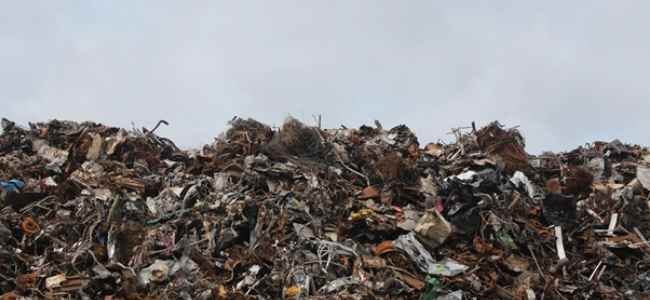
Today, we are churning out waste like never before. The exponential increase in wealth and populations means that we have more resources to spend on items, leading to the rise of organic and inorganic waste production.
However, awareness bordering on environmental degradation, global warming, and its devastating consequences has led to concerted efforts for reducing the total amount of waste that we produce.
As governments and other institutions worldwide are taking steps towards waste reduction, individuals also adopt measures like using compost machine and recyclable plastic rubbish bins with lids to handle the waste output.
The Need to Recycle Organic Waste
Organic waste, in simple terms, is natural waste gotten from plants, animals, and other living matter. Typically, they are biodegradable and include food waste, human waste, sewage, manure, slaughterhouse waste, paper waste, and lots more. Although all organic waste products decompose with time, their degradation sequence varies.
Organic waste products are usually harmless, posing no significant threat to the environment. However, landfill disposal of organic waste can be fraught with loads of danger.
Landfill-disposed waste undergoes anaerobic degradation, and as a result, generates methane – a dangerous greenhouse gas – into the environment.
Organic Waste Management
Like inorganic waste, disposing of organic waste has become increasingly daunting for governments worldwide.
According to the World Bank, 2.01 billion tons of municipal solid waste are generated globally, with over a third of that not managed in an environmentally friendly way.
Getting up to speed with these figures, it’s therefore crucial that we keep pressing for eco-friendly ways of dealing with waste.
Composting
Composting is a process that involves the use of microorganisms present in the waste and soil for decomposing. These microbes are essential for speeding up decomposition rages using a mix of oxygen, water, and other essential nutrients. The end product of this process? A humus-like substance used to improve crop production, called “compost.”
The use of compost reduces the need for chemical fertilizers in agriculture. Composting is a natural process that releases unpleasant smells into the atmosphere and attracts rodents.
Automated compost machines are devices designed to give individuals a clean, accelerated, odorless, Do It Yourself (DIY) way of dealing with organic food waste. Once there’s a space for your machine, you can convert your waste to useful materials seamlessly.
Until you’re ready to start composting, you can store waste in a food scraps compost bin. You’ll also need to figure out ways of utilizing or distributing the humus generated if you do lots of composting.
However, make sure that you comply with local regulations bordering on waste disposal before carrying out this waste management process.
How Compost Machines Work
Most compost machines accelerate the decomposition process using an automated 3-phase system of drying, grinding and cooling. You may need to chop the waste into bits before placing them in the machine.
The drying phase involves heat generation, distribution, and aeration by the rotation of the gears. Here, every inch of water is sterile and free from methane. Also, water volume reduces during this phase.
The compost is turned during the grinding phase and broken down into small fine particles, added to soil to release nutrients. At this stage, the small size of particles ensures that decomposition continues even with the addition of compost to the soil.
The internal temperature of the machine falls to room temperature during the cooling phase to facilitate handling. However, it’s pertinent to note that aeration and drying continues.
Major Takeaway
Every day, humans across the world endanger the environment with unhygienic waste disposal. Since our planet’s health concerns everyone, machine composting provides an efficient way of dealing with our organic waste and contributing to the preservation of the earth.