


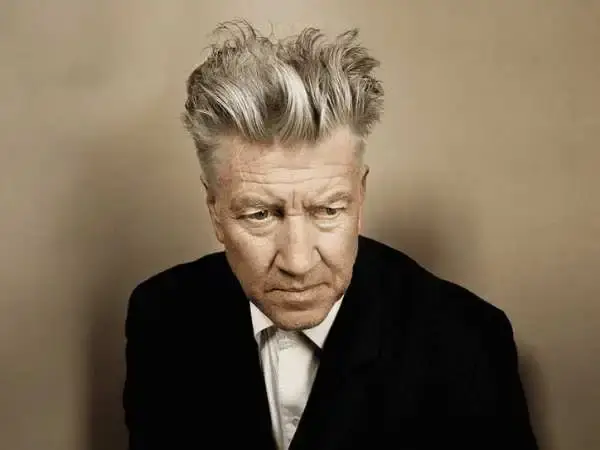
David Lynch did not become a star of cinema by following rules. He didn’t chase trends, box office formulas, or safe narratives. He moved in the opposite direction. He trusted images before logic. Sound before explanation. Feeling before clarity. That choice confused audiences at first, then divided them, and eventually reshaped how cinema itself could work.
When people talk about David Lynch movies, they often describe them as strange, unsettling, or hard to explain. That description is not wrong, but it misses the larger point. Lynch didn’t aim to be confusing. He aimed to be honest to what he felt beneath the surface of everyday life. The fear. The beauty. The silence. The violence hiding behind polite smiles.
This blog traces how David Lynch became a star of cinema by refusing to become a conventional one. It looks at his filming style, his movies in order, his television work, his most celebrated films, and his final projects. More than that, it explains why his influence keeps growing even when his films resist easy answers.
David Lynch Before Cinema: Art, Texture, and Noise
Before film, David Lynch was a painter. That fact explains almost everything that came later. He trained as a fine artist, not as a storyteller in the traditional sense. He cared deeply about texture, contrast, and mood. When he later picked up a camera, he treated it like a moving canvas.
Lynch has often spoken about how he imagined paintings making sound or moving. That idea pushed him toward film. Cinema became a way to extend visual art into time, sound, and motion.
This background separated him from most filmmakers of his generation. He did not start with scripts. He started with images.
also read : – Dean Cain, From Television Fame to Public Life, and How His Career and Image Changed Over Time
David Lynch Filming Style: Feeling Over Explanation
The phrase david lynch filming gets searched because people want to understand how his films are made. The short answer is that he films based on intuition.
Lynch builds scenes around:
- Mood
- Sound design
- Lighting
- Repetition
- Silence
Dialogue often comes later. Meaning emerges slowly, sometimes never fully explained. He avoids spelling things out because he believes explanation kills mystery.
On set, he works with extreme precision. The chaos happens on screen, not behind the camera. Every shadow, hum, and pause is intentional.
Why Lynch Trusted Dreams More Than Logic
Dreams don’t follow structure. They jump. They loop. They disturb without explanation. Lynch saw dreams as honest expressions of the human mind. That belief shaped his cinema.
Instead of asking “Does this make sense?” he asked “Does this feel right?”
That shift became revolutionary.
David Lynch Movies in Order: A Career Built on Risk
Looking at David Lynch movies in order shows how little he compromised, even as his fame grew.
His first feature film was Eraserhead, a black-and-white nightmare that took years to complete. It barely resembled anything else in theaters at the time. Audiences were confused. Critics were divided. Midnight screenings turned it into a cult phenomenon.
Rather than soften his style, Lynch leaned into it.
Eraserhead and the Birth of a Cult Director
Eraserhead established Lynch as a filmmaker who could turn discomfort into art. Its industrial soundscape, grotesque imagery, and minimal dialogue created an experience more than a story.
It didn’t make him famous overnight. It made him unforgettable.
also read : – Leighton Meester: Life, Career, Family, and Everything Fans Want to Know
David Lynch and Hollywood: An Uneasy Relationship
Hollywood noticed Lynch after Eraserhead. That attention led him to direct The Elephant Man. This film surprised many people. It was emotional, structured, and accessible.
The Elephant Man earned multiple Academy Award nominations and proved Lynch could work within a traditional narrative. He didn’t abandon his style. He adapted it.
This success positioned him as a serious filmmaker, not just an underground oddity.
What The Elephant Man Revealed About Lynch
The film showed Lynch’s empathy. Beneath the surreal imagery, he cared deeply about human suffering and dignity. That emotional core would reappear throughout his work, even in his darkest films.
David Lynch Movies and the Failure That Changed Him
After The Elephant Man, Lynch directed Dune. This project marked a turning point. Studio interference limited his control. The result disappointed him deeply.
Lynch later distanced himself from the film. He described it as a painful experience that taught him one thing clearly. He would never surrender creative control again.
That decision shaped everything that followed.
Blue Velvet: The Film That Defined Lynch’s Reputation
With Blue Velvet, Lynch returned fully to his own voice. The film explored violence beneath suburban normalcy. It shocked audiences and critics alike.
Blue Velvet wasn’t safe. It wasn’t comforting. It forced viewers to confront what they preferred to ignore.
This film established Lynch as a director unafraid of disturbing truths.
Why Blue Velvet Mattered So Much
Blue Velvet made it clear that Lynch was not interested in surface-level beauty. He wanted to peel it back. He wanted cinema to feel dangerous again.
That approach inspired countless filmmakers who followed.
also read : – Abraham Quiros Villalba: A Story of Hard Work and Inspiration
David Lynch Best Movies: A Matter of Experience
When people search David Lynch best movies, the answers vary wildly. That’s because his films affect people differently.
Some viewers connect deeply with:
- Eraserhead
- Blue Velvet
- Mulholland Drive
Others prefer:
- The Elephant Man
- The Straight Story
There is no single best Lynch film. There is only the one that speaks to you.
Mulholland Drive and Modern Lynch
Mulholland Drive is often cited as Lynch’s masterpiece. It blends Hollywood illusion, identity, desire, and loss into a fractured narrative.
The film refuses to explain itself clearly. That refusal became its strength.
It showed that audiences were ready to engage deeply, even without answers.
David Lynch TV Shows: Changing Television Forever
Lynch didn’t stop at film. With Twin Peaks, he reshaped television storytelling.
Twin Peaks brought surrealism, long silences, and unresolved mystery into mainstream TV. It shocked viewers who expected tidy conclusions.
Television had never looked or sounded like this before.
Twin Peaks and Cultural Impact
Twin Peaks proved that television could be cinematic, strange, and emotionally complex. It paved the way for modern prestige TV.
Without it, many later shows would not exist in the same form.
David Lynch Movies and Sound as Story
Sound matters as much as image in Lynch’s work. Industrial hums. Low drones. Sudden silence. These sounds shape emotion without words.
He often collaborated closely on sound design, treating it as narrative itself.
This approach made his films immersive in ways dialogue-heavy cinema rarely achieves.
also read : – Kaylah Zander Biography: Know Everything About Kaylah Zander Here!
David Lynch Last Movie and Later Work
Lynch’s later film Inland Empire pushed digital filmmaking into deeply experimental territory. It abandoned traditional structure almost entirely.
For some, it was overwhelming. For others, it was pure Lynch.
His most recent major screen work came with Twin Peaks: The Return, which many consider one long cinematic statement rather than a TV season.
Why David Lynch Became a Star Without Mass Appeal
Lynch never chased popularity. He built trust with his audience by staying honest to his vision. That consistency earned him respect, even from people who didn’t enjoy every film.
His star power came from integrity, not compromise.
David Lynch Movies in Order: A Pattern of Freedom
Looking back, a pattern emerges. Every time Lynch lost control, he pulled back. Every time he had freedom, his work grew bolder.
That pattern explains his career better than box office numbers ever could.
Influence on Modern Cinema
Lynch’s influence appears everywhere:
- Nonlinear storytelling
- Ambiguous endings
- Emphasis on mood
- Dream logic
Many filmmakers borrow these elements, even if they don’t always acknowledge the source.
Why Lynch Still Matters
David Lynch matters because he proved cinema doesn’t need to explain itself to be meaningful. He trusted audiences to feel first and analyze later.
That trust changed the medium.
also read : – Midwest Emma: Do you know who Midwest Emma is?
FAQs
David Lynch movies
Include Eraserhead, The Elephant Man, Blue Velvet, Mulholland Drive, and more.
David Lynch best movies
Depends on personal connection; Mulholland Drive and Blue Velvet often top lists.
David Lynch TV shows
Twin Peaks is his most influential television work.
David Lynch movies in order
His career shows increasing creative freedom after early struggles.
David Lynch last movie
Inland Empire and Twin Peaks: The Return mark his later period.
Final Words
David Lynch became a star of cinema by refusing to explain himself. He trusted images, sound, and emotion over clarity. That choice alienated some viewers and deeply moved others. Over time, it reshaped how films and television could function. His work doesn’t fade because it doesn’t resolve. It stays with you, unfinished, waiting to be felt again.