


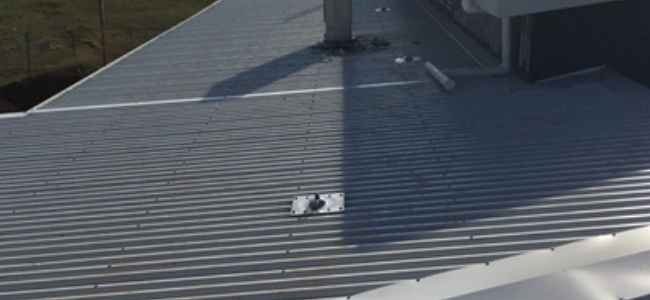
There are many reasons you may need to work on the roof, such as roof repairs, servicing your air conditioner or cleaning your gutters. If you aren’t careful, you can easily fall and injure yourself. If you own a company that requires workers to work on the roof of houses, it’s your duty to keep them safe.
The easiest and safest way to do this is by installing roof anchor points. In this article, we are going to explain what roof anchor points are, and when you need them. Continue reading to find out more about this fascinating safety device.
What are Roof Anchors?
A roof anchor point is a device that’s installed onto the roof. This acts as a safety feature for workers that need to work up high. The person is connected to the anchor point by a harness and line. If they should fall, this device will stop them from being hurt very badly. In some cases, it may even save a life.
Types of Anchor Points
There are two main types of roof anchor points. These devices form part of the fall personal protection equipment. Other equipment in this range includes static lines, lanyards and harnesses.
- Rope access anchor points: This type is used by workers that need to manoeuvre around the outside of a building, such as a window cleaner. They allow the user to move up and descend more easily.
- Fall arrest anchor points: Roof anchor points need to be in place in case the worker trips and falls. In this event, the fall arrest system will activate and stop the person from hitting the ground. They may still have a few bumps and bruises, but it will significantly lessen the impact of the fall.
Which Roof Anchor Points Should You Use and When?
The type of anchor point you need will depend on what you need to do on the roof. If the worker needs to be suspended in the air to complete the task, then a fall arrest system would be ideal.
If they are doing repairs on the roof and need to move around easily, then a rope access system would be a better solution.
The points should be installed by a professional that has been trained in roof access safety. In addition to these measures, it’s crucial that all workers are trained on how to use the equipment correctly.
Top Safety Tips from the Experts
- Avoid working up high as much as possible: Try to limit the amount of work that needs to be done directly from the roof. Instead, use scaffolding or a raised working platform.
- Have a fall plan in place: Follow the up-to-date safety protocols and have a fall protection plan in place in case someone falls. Use a collective system that includes safe roof access ladders, handrails and anti-slip footpaths.
- Rely on personal protection systems: These include roof anchor points, anchor line systems and safety harnesses. Never climb onto the roof without these systems in place.
- Fall arrest system: This safety measure should minimise injury. Other safety devices you could use include nets, bags or personal anchor systems.
Benefits of Roof Anchor Systems
There are many benefits to installing roof anchor safety points. These include:
- Prevent injuries: Rooftops can be very dangerous places, so making them as safe as possible for your workers is paramount. Hazards on the roof include loose roof tiles, holes or even tripping and falling.
- Save lives: If a worker does have an unfortunate fall off the roof, the fall arrest system will prevent them from being killed or maimed on impact. The cost of a human life is far greater than any protection system and every business owner should value their employees’ safety.
- It’s the law: If an accident were to happen and the worker gets injured or killed the business owner can be held liable. This will lead to very heavy fines and could even carry jail time if the owner were found to be negligent.
When you Should Consider Upgrading Your Roof Access Safety System
Let’s face it, when there isn’t a problem, you don’t think about your roof very often. But should a problem arise, is your roof access safe? How safe would workers be if they needed to carry out a repair today?
If you have an older building the roof safety access probably hasn’t been upgraded for a very long time. This could mean that it’s not in the best condition. So, if you have never done an upgrade, it’s about time you should. Call an expert to do a roof inspection and advise you on the next steps.
It’s important that your roof safety access points comply with the law and pass a safety inspection.
Final Thoughts
Roof anchor safety points are imperative features to keep you safe when working on the roof. They must be installed correctly and well maintained. By installing these safety devices, you can rest assured that everyone is safe and avoid unnecessary injuries. Give workers peace of mind and they’ll perform their tasks even better!