


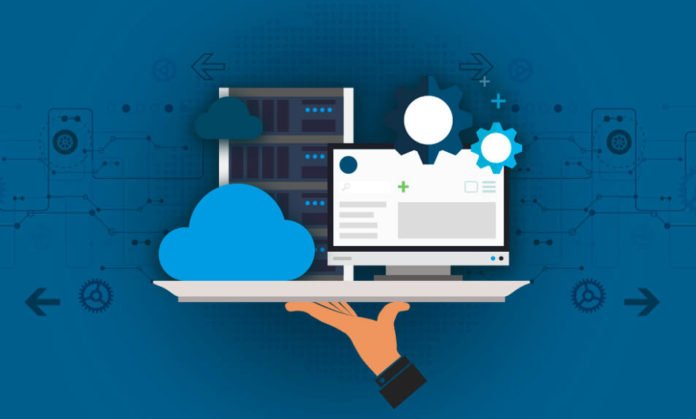
SaaS is a software distribution model which has an external provider that hosts applications and makes them available to customers through the internet. SaaS is one of the three main categories of cloud computing together with the platform as a service (PaaS) and infrastructure as a service (IaaS).
In the SaaS model, the provider gives customers network-based access to a single copy of an application that the provider created purposefully for the SaaS distribution. The source code of the application is the same for all clients and when new features are implemented, they are distributed to all of the clients.
Key features of the SaaS system
Let’s find out the prime features distinguishing a SaaS product from standard software:
If a user pays a monthly fee for the app based on the volume of services consumed and the services do not satisfy the user with its features or there is no need for the user to use it any longer, they will simply stop paying for using the service.
You can use the service remotely as a browser without being attached to the workplace. Various users can use one account at the same time.
The software is deployed in a single data center without the use of each specific customer’s facilities. The customer requires a quick solution rather than deal with its technical aspect.
Such systems are commonly cross browsers and cross platforms, and consequently have fewer technical requirements to use them.
The product upgrades, as well as modified with the sorts of system updates, usually on the provider side. Technical support is already added into the total amount of the monthly fee.
Advantages of using SaaS systems
SaaS offers different potential advantages over traditional business software installation models, including:
Low initial cost: SaaS is usually subscription-based and has no initial license fees, which results in lower upfront costs. The SaaS provider manages the IT infrastructure which runs the software and reduces the fees for hardware and software maintenance.
Quick configuration and deployment: The SaaS application is previously installed and configured in the cloud kafka interview, this speeds up the start-up process since you only require to register in the SaaS solution.
Simple updates: SaaS providers take care of software as well as hardware updates, deploy updates on hosted applications and reduce this workload and responsibility of customers.
Accessibility: All you require to access a SaaS application is an internet connection and browser. It is generally available on various devices and also from anywhere in the world, that makes SaaS more accessible than traditional enterprise software installations.
Scalability: SaaS providers generally provide different subscription options and flexibility to change plans when required.
SaaS metrics math: The best tools and resources for CAC, ARR, MRR, and so on.
CAC (Customer Acquisition Cost)
In SaaS, spending to get customers at door is a reality we all do. CAC is eventually relevant when compared as a ratio to LTV (lifetime value of a customer). the CAC: LTV ratio is important as revenue generated from customers must outweigh the costs of converting them.
Formula: CAC = total cost of marketing and sales/ number of customers acquired
Churn
Depending on your business it is easy to explain the SaaS churn rates at the customer level (customer churn), subscription level(product churn), and recurring revenue level(ARR or MRR weighted churn).
Formula: Revenue Churn Rate = [(MRR at the tarting of the month – MRR at the end of the month) – MRR in upgrades during month]/MRR starting of the month.
MRR growth rate (Monthly Recurring Revenue)
If you have fluctuating income and want to understand your average monthly recurring revenue, then use the following formula:
Formula: MRR = number of customers x average billed amount (make sure to exclude any one-time fees)
ARR (Annual Recurring Revenue)
Formula: ARR = MRRx12 its simple ARR will be an important metric for you if you sell yearly subscriptions.