



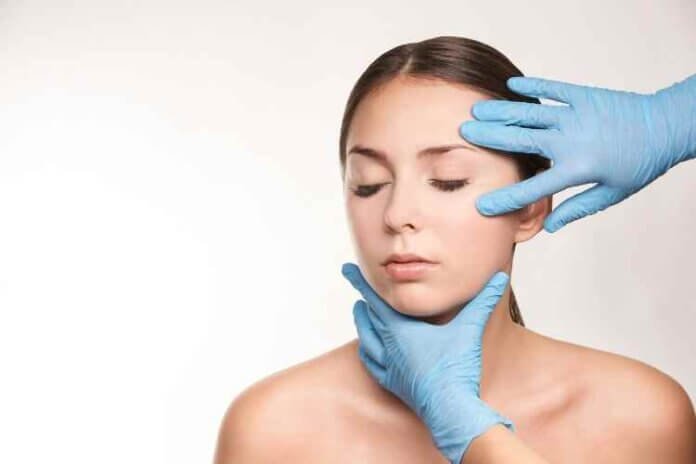
A facelift, also known as rhytidectomy, is a type of cosmetic surgery performed to improve the appearance of the face. The procedure can involve the removal of excess skin, the tightening of facial muscles, and the alteration or addition of facial fat. Facelifts are usually performed on people who have loose or sagging skin on their faces due to aging.
There are many reasons to undergo a facelift. One reason is to improve their self-esteem and confidence. Another reason is to look younger and more attractive. And finally, some people opt for a facelift to correct certain physical imperfections that they are unhappy with. This blog post will discuss why someone might want a facelift.
1. Sagging Appearance
While most patients believe that a facelift will correct all their facial concerns, this is not always the case. In fact, according to facial plastic surgeon Dr. Andrew Jacono, one of the most common reasons why patients seek out his services is because they are unhappy with the sagging appearance of their skin. When your skin starts sagging, it can cause wrinkles and creases to form, making a person look much older than they are. You can tighten the skin and get rid of excess tissue through a facelift procedure and gain a more youthful appearance.
2. Excess Skin
Anyone who has ever been sunburned knows that skin is an extraordinary organ. It’s tough enough to protect us from the outside world yet sensitive enough to alert us to the slightest touch. However, our skin is also susceptible to damage from ultraviolet rays, pollution, and other environmental factors. Over time, this damage can cause the skin to lose its elasticity, resulting in fine lines, wrinkles, and sagging. A facelift rectifies these issues by tightening the skin and restoring a more youthful appearance. In addition, a facelift can also remove excess skin that has been damaged by the sun or other factors. As a result, a facelift can be an excellent option for those who want to improve their appearance and reduce the signs of aging.
3. Correct Deep Wrinkles
Wrinkles are one of the most common concerns patients have when considering a facelift. While many creams and treatments claim to reduce the appearance of wrinkles, sometimes surgery is the only way to achieve the desired results. A facelift can help to correct deep wrinkles and other signs of aging. The procedure involves making small incisions in the hairline, which allows the surgeon to tighten the underlying muscles and remove excess skin. In addition, a facelift can also help improve the appearance of fine lines and wrinkles around the mouth and eyes.
4. Eliminate Droopy Jowls
When it comes to facial aging, one of the most common complaints is the appearance of droopy jowls. Jowls are the fleshy, lower portion of the cheek that extends from the corner of the mouth down to the jawline. They can be caused by various factors, including gravity, weight gain, and loss of skin elasticity. Fortunately, you can get rid of jowls in different ways and achieve a more youthful appearance. Facelift surgery is one option, but there are also non-surgical treatments that can be just as effective.
5. Double Chin
A double chin, also known as submental fat, is a common condition that occurs when excess fat accumulates beneath the chin. A double chin can be the result of weight gain, aging, or genetics. Fortunately, there are several treatment options available for those who wish to reduce the appearance of a double chin. Facelifts are one option that can help improve the contours of the face and achieve a more youthful appearance. A facelift is not a good procedure for everyone. Good candidates have realistic goals and expectations, are in good physical and mental health, do not smoke tobacco, and are free from any medical conditions that may adversely affect healing. The ideal candidate for a facelift is a man or woman bothered by visible signs of aging in the face and neck, such as deep creases below the lower eyelids, folds or wrinkles, and the nose. It extends from the corner of the mouth to the jawline, the tucked-in appearance of the lower face, jowls along the jawline, excess skin, and fatty deposits under the chin and along the jawline.