



Linkin Park never felt like a typical rock band. From the start, their music mixed styles that rarely sat together. Rap and rock. Electronic sounds and heavy guitars. Emotional lyrics and aggressive energy. Behind that sound stood a group of band members whose roles mattered deeply. Each person shaped what the band became, both in its early years and later on.
People often search band members of Linkin Park to understand how the lineup changed, who stayed, who left, and how the band evolved after major life events. This guide walks through that history clearly. Original members. Members now. Then versus now. And the guitarist roles that defined their sound.
How Linkin Park First Came Together
Linkin Park did not form overnight. The band started as a small project among friends who shared musical ideas but different influences. Early days focused on experimentation, not fame. Members brought pieces from hip-hop, metal, and electronic music, trying to make them fit together naturally.
That early willingness to experiment created the base for everything that followed. Before major albums or global tours, the band spent years refining how each member’s role fit into the larger sound.
Early foundations included:
- Shared interest in genre-blending
- Strong creative collaboration
- Emphasis on emotional honesty
This foundation helped the band survive changes later on.
also read : – Made in Korea: Why This 1970s Crime Story Hits Hard
Original Band Members of Linkin Park
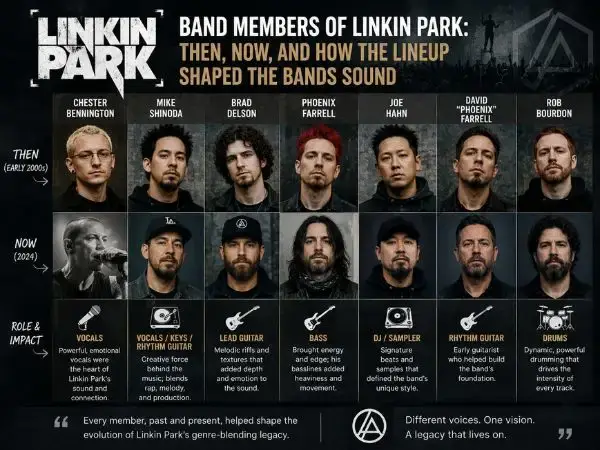
The original band members of Linkin Park formed the core that fans still associate with the band’s identity. Each person contributed a specific skill that balanced the group.
Original lineup:
- Chester Bennington – lead vocals
- Mike Shinoda – vocals, rap, production
- Brad Delson – lead guitar
- Joe Hahn – DJ, sampling
- Dave Farrell – bass guitar
- Rob Bourdon – drums
This group defined the band’s most recognizable era.
Chester Bennington’s Role in the Band
Chester Bennington became the emotional center of Linkin Park. His voice carried pain, anger, and vulnerability in a way that connected deeply with listeners. He could scream with raw force, then shift into soft melodies within the same song.
Key contributions:
- Powerful vocal range
- Emotional authenticity
- Stage presence that connected with crowds
His influence remains central to how fans remember the band.
Mike Shinoda as Creative Anchor
Mike Shinoda acted as the band’s creative backbone. He handled rapping, songwriting, and much of the production work. His ability to structure songs allowed different styles to coexist without chaos.
Main roles:
- Songwriting and production
- Rap vocals and harmonies
- Creative direction
This stability kept the band cohesive.
also read : – Brooklyn 99 Cast Facts: Are They Friends in Real Life? Who Are Their Real-Life Partners?
Linkin Park Guitarist: Brad Delson’s Style
Brad Delson stood out for restraint rather than flash. His guitar work focused on texture and rhythm, not constant solos. Heavy riffs sat alongside electronic elements without overpowering them.
Contributions:
- Clean yet heavy guitar tones
- Supporting electronic textures
- Consistent rhythm-focused playing
Joe Hahn and the Electronic Identity
Joe Hahn brought turntables, sampling, and visual creativity to the band. His role made Linkin Park stand apart from traditional rock groups.
He added:
- Scratches and samples
- Ambient sounds
- Visual direction for videos
Dave Farrell’s Role on Bass
Dave Farrell, often called Phoenix, handled bass duties. His bass lines supported both heavy and melodic sections without drawing too much attention.
Role highlights:
- Anchored rhythm sections
- Supported genre transitions
- Kept songs grounded
Rob Bourdon’s Drumming Approach
Rob Bourdon’s drumming focused on groove and consistency. He avoided unnecessary complexity, emphasizing timing and feel.
His drumming helped:
- Balance rap and rock
- Support electronic elements
- Drive emotional peaks
Band Members of Linkin Park Then and Now
Then:
- Full original lineup performed together
- Chester Bennington served as lead vocalist
Now:
- Remaining members continue creative work
- Live performance formats changed
- Band activities adjusted out of respect and reality
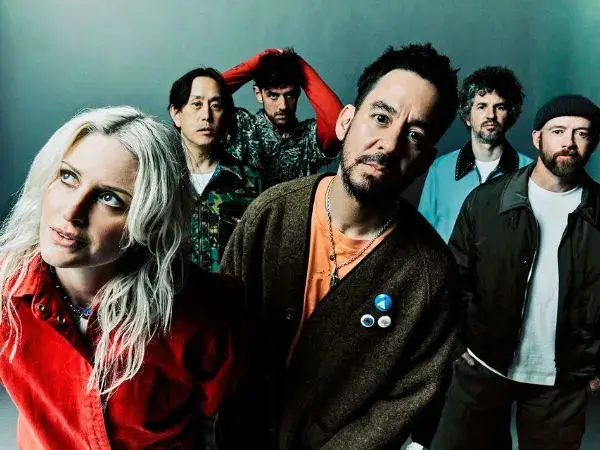
Band Members of Linkin Park Now
Current active members:
- Mike Shinoda
- Brad Delson
- Joe Hahn
- Dave Farrell
- Rob Bourdon
The band chooses careful, respectful ways to move forward.
Linkin Park Original Members vs Now
Comparing original members vs now highlights emotional and creative shifts. The biggest change came after Chester’s passing, which reshaped everything.
Key differences:
- Vocal leadership structure
- Touring decisions
- Creative pacing
How Lineup Stability Shaped the Band
Unlike many bands, Linkin Park maintained a stable lineup for most of its career. That consistency allowed deep trust and long-term collaboration.
Benefits:
- Strong musical chemistry
- Shared creative vision
- Smooth genre evolution
Why Linkin Park Rarely Changed Members
The band valued loyalty and collaboration. Members contributed beyond instruments, creating a shared identity rather than individual spotlights.
Reasons for stability:
- Mutual respect
- Clear creative roles
- Strong personal bonds
How Each Member Influenced the Sound
Each member added a layer that mattered. Removing one would have changed the sound completely.
Combined influence:
- Emotional depth
- Rhythmic balance
- Genre fusion
- Visual storytelling
Fan Connection to the Band Members
Fans often connect with specific members for different reasons:
- Emotional identification with Chester
- Creative respect for Mike
- Visual style linked to Joe
Legacy of the Original Band Members
The original band members created music that still resonates across generations. Their work remains relevant because it addressed real emotions without pretending to have easy answers.
Legacy elements:
- Genre-blending influence
- Honest lyric themes
- Lasting cultural impact
Influence on Modern Bands
Many modern bands cite Linkin Park as inspiration. Their willingness to mix styles opened doors for others.
Influence areas:
- Genre fusion acceptance
- Emotional openness
- Electronic elements in rock
Why Fans Still Search for Band Member Details
Fans search band member information to understand context. Knowing who created the music deepens appreciation.
Reasons:
- History clarity
- Lineup accuracy
- Respectful remembrance
FAQs
Who are the original band members of Linkin Park?
Chester Bennington, Mike Shinoda, Brad Delson, Joe Hahn, Dave Farrell, and Rob Bourdon.
Who are the band members of Linkin Park now?
Mike Shinoda, Brad Delson, Joe Hahn, Dave Farrell, and Rob Bourdon.
Who was the Linkin Park guitarist?
Brad Delson served as the band’s guitarist.
Did Linkin Park change members often?
No, the lineup stayed stable for most of the band’s career.
How did band members shape Linkin Park’s sound?
Each member added a unique layer that created the band’s signature style.
Final Words
The band members of Linkin Park built more than a successful group. They built a sound that helped people feel less alone. From the original lineup to the band members now, each person played a role that mattered deeply.
Would you like me to also create a short SEO-friendly summary of this cleaned text (like a meta description or snippet) so you can use it for web publishing?